
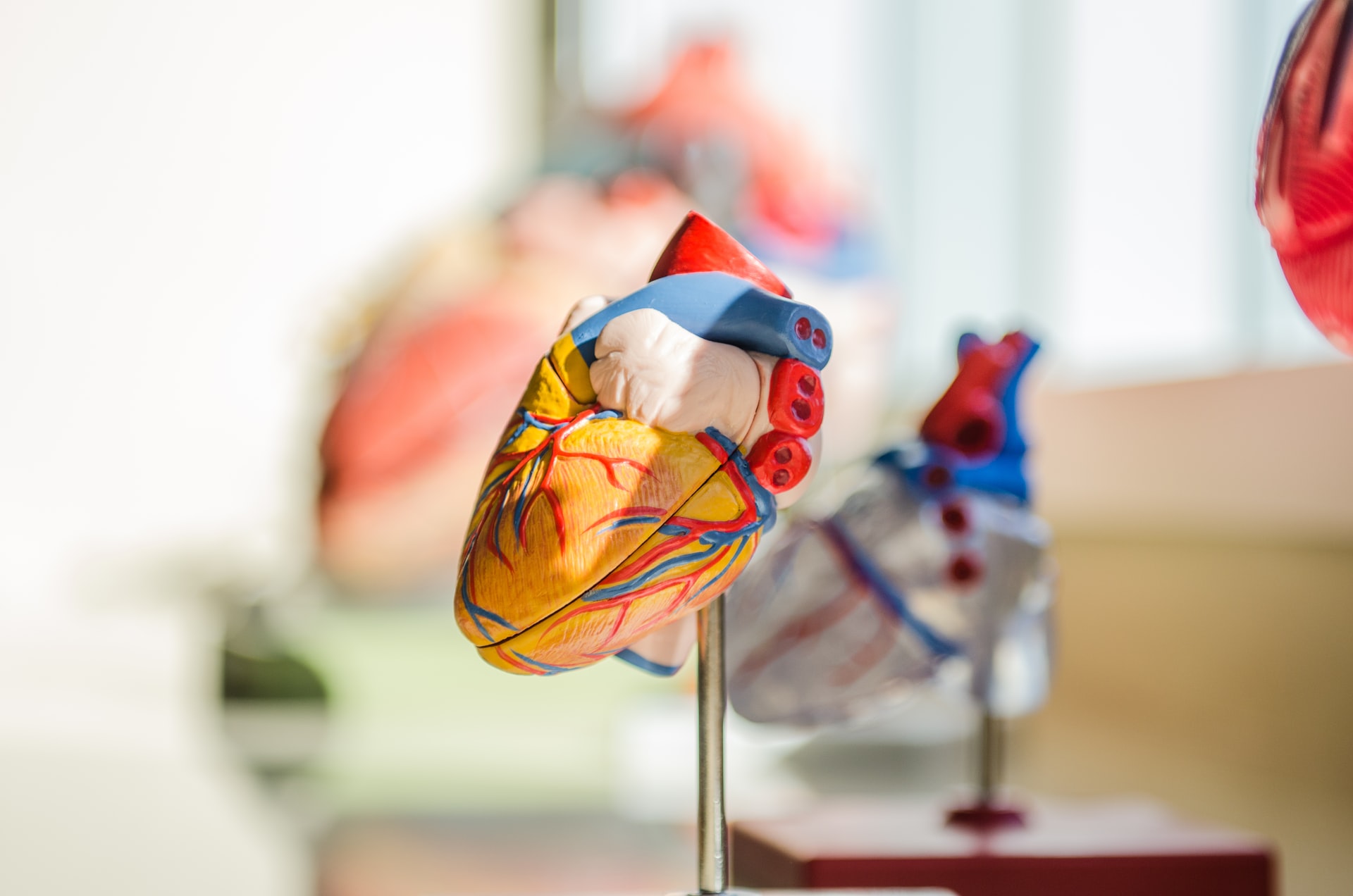
Cardiac magnetic resonance imaging uses radio waves, a computer, and a powerful magnetic field to generate detailed images of the structures in and surrounding the heart. Cardiac MRI is commonly used for the detection and monitoring of cardiac disease and to assess heart function in people with heart disease or congenital disabilities.
What Is a Cardiac MRI?
Magnetic resonance imaging is a non-invasive scan used to produce images of structures inside the body without radiation. These images help doctors detect disease and other abnormalities with the heart. Medical professionals can view printed versions of the pictures or look at them on a computer screen.
Why Are Cardiac MRIs Performed?
A cardiac MRI can help your doctor diagnose cardiovascular disorders, such as infections, tumors, and inflammatory conditions, by evaluating the function and anatomy of the heart valves, heart chambers, blood vessels, and the structures surrounding the heart, such as the pericardium. Cardiac MRI can also be used to monitor coronary artery disease results, including reduced blood flow involving the heart muscle or muscle scarring due to a cardiac event. MRIs also help doctors plan patients’ treatments and monitor their effectiveness. MRIs may also be used to evaluate congenital heart disease in adults and children.
What Are the Benefits of Cardiac MRI?
Cardiac MRIs provide multiple benefits for patients:
- Non-invasive
- No radiation exposure
- Provides better images for some conditions
- Can detect some issues earlier than other imaging methods
- Used in the diagnosis of multiple conditions, including anatomical anomalies, tumors, functional abnormalities, cardiomyopathy, and coronary artery disease
- Can reduce the time required and improve the accuracy of procedures such as catheter-based ablation
- Can detect abnormalities obscured by bone in other imaging tests
- The contrast material used is less likely to result in an allergic reaction than the contrast used for x-rays and CT scans
Our open MRI machine, conveniently located in Sheepshead Bay, provides a comfortable and convenient scanning experience for patients. Most scans can be completed in 30 minutes or less.
Which Conditions Can Be Evaluated With a Cardiac MRI?
Cardiac MRI is now routinely used to evaluate several heart-related conditions. The detailed images generated by MRI scans have become invaluable in evaluating aortic diseases, such as aortic aneurysm, aortic dissection, and coarctation. MRI is also used to assess the nature and extent of heart muscle diseases, such as cardiomyopathy. The test can be used to discover whether the disease is caused by inflammation, ischemia, fibrosis, or some other process. Cardiac MRI can also be used to identify patients who have heart muscle damage that appears to be permanent but can be improved by a stent or bypass surgery. Structural cardiovascular abnormalities, such as cardiac tumors and congenital heart disease, can be identified by cardiac MRI. The scan can also be used to assess the extent of pericardial effusion and evaluate constrictive pericarditis.
Why Is Early Detection Important?
Many patients develop atherosclerosis and other heart-related conditions years before they begin having symptoms. Advanced imaging tests, such as cardiac MRI, can detect these early changes and help doctors treat patients before becoming ill. Early detection reduces the risk of a fatal cardiac event or permanent heart damage by treating risk factors years before a person might have a heart attack.
Our experienced and dedicated staff at Brooklyn Open MRI uses first-class medical equipment to provide high-quality diagnostic services. Our highly experienced radiologists and technologists are board-certified. We accept Medicare, Medicaid, No-Fault, Workers’ Compensation, and most major medical insurance plans. You can schedule an appointment by completing our online contact form.